
Dr. Gustavo de Andrade
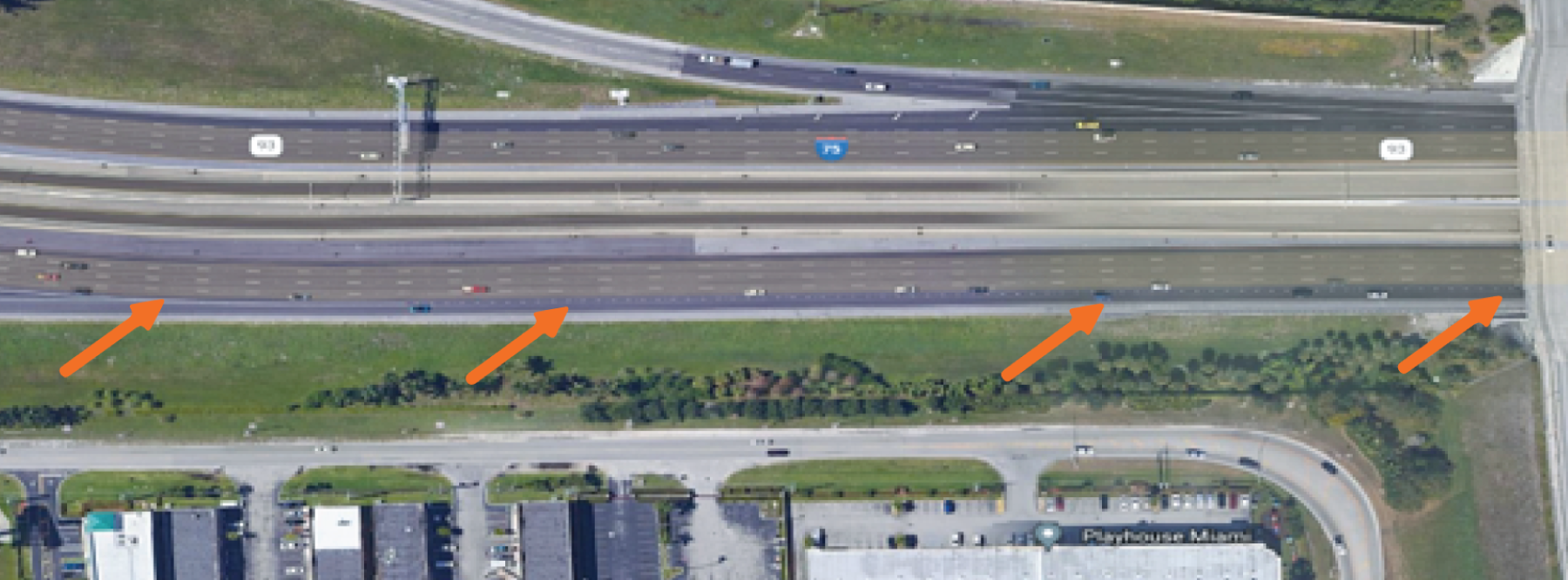
In LOS analysis practice, the terms on-ramps and merges are often used interchangeably, as are off-ramps and diverges, while in the Highway Capacity Manual (HCM) ramp analysis is normally associated with Freeway Merge and Diverge segments (Chapter 14), one case covered by HCM (p. 14-30) deals with lane additions or drops for merges and diverges, respectively. In these cases, the Merge segment should be treated as a Basic Freeway segment with the appropriate number of lanes. The HCS Freeway Facilities module automatically identifies such situations, facilitating the user to model the facility while ensuring HCM compliant analysis.
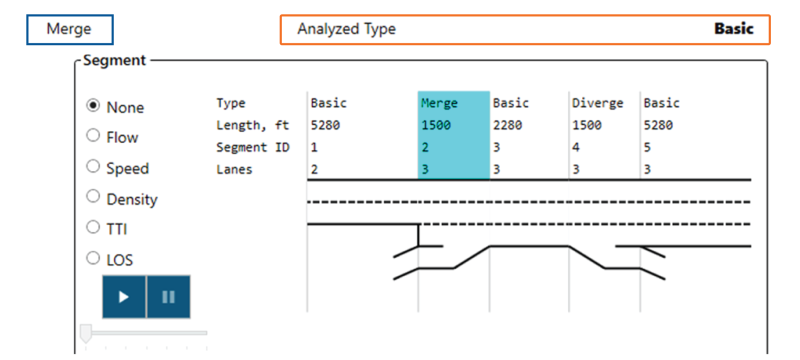
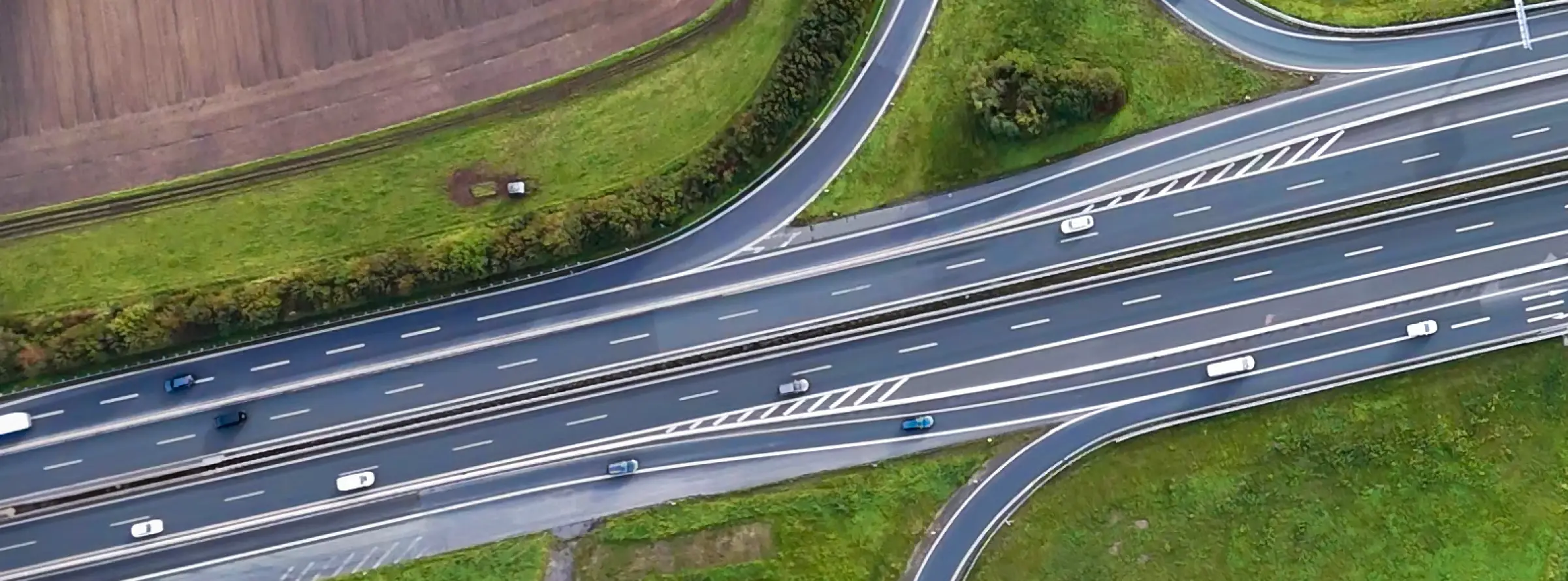
Merges with two-lane ramps are not subject to the same rule per the HCM (pages 14-30 to 31). The two-lane entrance is characterized by two separate acceleration lanes, each successively forcing merging maneuvers to the left, thus forcing the merge chapter to be used.
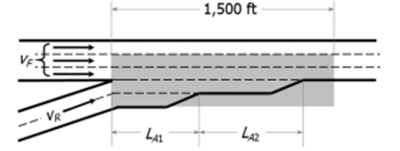
Exhibit 14-16, HCM page 14-30: Typical Geometry of a Two-Lane Ramp-Freeway Junction
Weaving
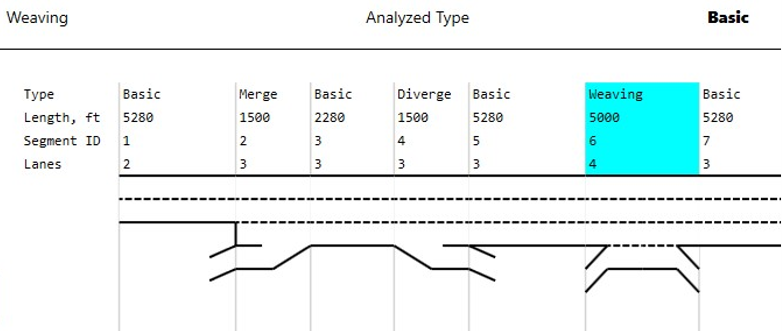
HCS uses a similar feature for weaving segments. The HCM Weaving Segment analysis (Chapter 13) defines the maximum weaving length (LMAX) as the “length at which weaving turbulence no longer has an impact on operations within the segment.” LMAX is a function of the weaving demand lane configuration. When the calculated LMAX is shorter than the distance between the endpoints of barriers or solid markings adjacent to entry and exit points (Short Length LS shown in the figure), HCS automatically analyzes the segment as a basic freeway segment. In such cases, the user may consider revising the segmentation used and analyze the merge and diverge segments separately.
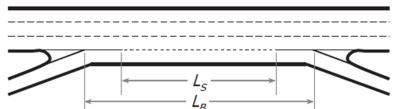
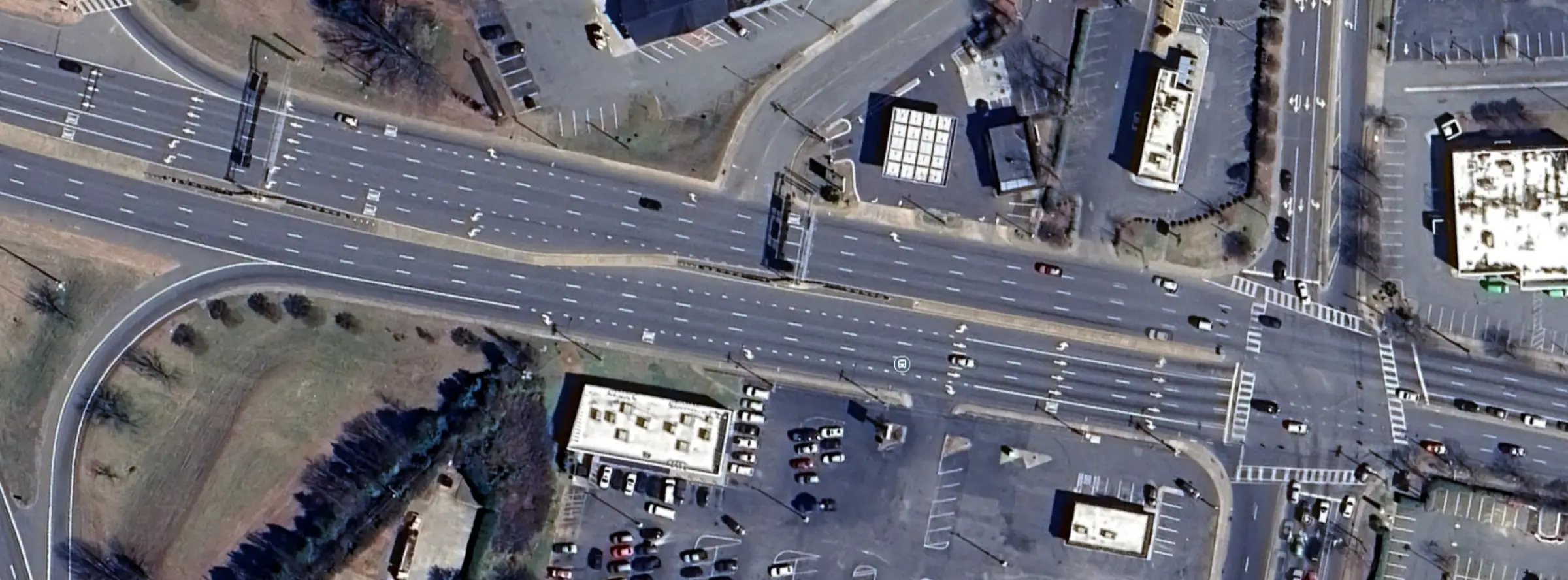
Exhibit 13-2, HCM page 13-4: Measuring Length of a Weaving Segment